When you delve into the [Michelle Thrush Biography & Early Career], you're not just exploring the professional path of a remarkable Canadian actress; you're tracing the profound influence of Indigenous identity, resilience, and advocacy from the very beginning. From a challenging childhood in Calgary to groundbreaking roles on screen and stage, Thrush’s story is a testament to the power of finding your voice and using it to uplift a community.
Her journey is a compelling narrative of self-discovery, cultural reclamation, and the unwavering pursuit of authentic representation. Michelle Thrush didn't just become an actress; she became a storyteller, a torchbearer, and a vital voice for Indigenous peoples across Canada and the Americas.
At a Glance: Who is Michelle Thrush?
- Born: February 6, 1967, in Calgary, Alberta.
- Heritage: Cree First Nations.
- Key Roles: Gail Stoney in Blackstone, Sylvie LeBret in North of 60, Deanna Martin in Arctic Air.
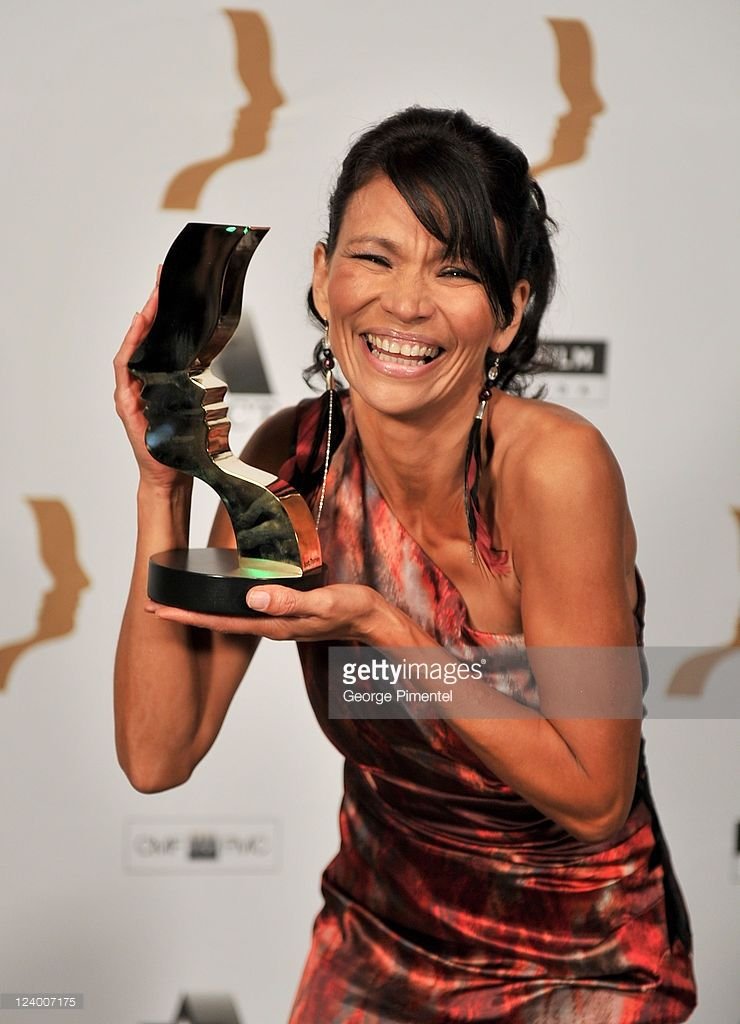
- Awards: 2011 Gemini Award for Best Performance by an Actress in a Continuing Leading Dramatic Role (Blackstone).
- Activism: Staunch advocate for Indigenous peoples in Canada and the Americas.
- Playwright: Creator of the one-woman play Find Your Own Inner Elder (later Inner Elder).
- Family: Daughter, Imajyn Cardinal, is also an actress.
- Early Influences: Credits Calgary’s Plains Indian Cultural Survival School for connecting her to her culture and language.
- Initial Path: Originally considered a career in social work before pursuing acting.
A Calgary Childhood: Roots in Cree Culture, Resilience Forged in Adversity
Michelle Thrush's story begins on February 6, 1967, in Calgary, Alberta, where she was born and raised. Her Cree heritage runs deep, forming the bedrock of her identity and, eventually, her professional purpose. Yet, her early years were far from idyllic. Growing up with parents who struggled with chronic alcoholism, Thrush faced significant challenges at home. This early exposure to hardship, while undeniably difficult, would later inform the profound empathy and resilience that characterize her work.
Beyond the home, Thrush also navigated a world that often failed to understand or respect her Indigenous identity. At Bowness High School, she endured the sting of bullying, subjected to racial slurs like "Squaw." These experiences, sadly common for many Indigenous youth, could have easily silenced a lesser spirit. Instead, they fueled an internal fire, igniting a quiet determination to overcome adversity and, eventually, to speak out against it.
This period of her life highlights a critical aspect of her burgeoning identity: the external pressures and internal struggles that shaped the young Michelle Thrush. It was a time of navigating a dual reality – the warmth of her Cree heritage within, often contrasted with the harsh realities of prejudice without. This complex upbringing laid the groundwork for the compassionate and insightful artist she would become, capable of portraying raw human emotion and challenging social norms.
Finding Her Voice: The Plains Indian Cultural Survival School
A pivotal turning point arrived when Thrush attended Calgary's Plains Indian Cultural Survival School for grade nine. This wasn't just another school; it was a sanctuary, a place where her Cree identity was not just tolerated but celebrated. She credits this institution with profoundly helping her connect with her culture and language. In an environment designed to foster Indigenous pride and knowledge, Thrush found a sense of belonging and validation that had been missing.
This school experience was transformative. It allowed her to delve into her ancestral roots, understand the rich traditions of her people, and begin to heal from the wounds inflicted by past bullying. Connecting with her language was particularly significant, offering a direct link to her heritage and a powerful tool for self-expression. It was here that the seeds of her future activism and commitment to Indigenous storytelling were truly sown. The school provided a foundation of cultural strength, equipping her with the inner resilience and pride that would guide her choices in both life and career. It offered a lens through which she could view the world, not as an outsider, but as a proud member of a vibrant, enduring culture.
From Social Work Dreams to the Stage: A Path Unveiled
Despite acting at the tender age of 17, Michelle Thrush didn't initially envision a career in the performing arts. Her compassion, honed by her own experiences and her cultural awakening, initially steered her towards a different path: social work. It's a testament to her deep empathy and desire to help others that she considered a profession dedicated to community support and advocacy. This initial inclination speaks volumes about her innate character, highlighting a fundamental drive to make a positive impact on the world around her.
The trajectory of her life, however, shifted decisively when she turned 20. This period marked a significant personal breakthrough: her parents achieved sobriety, bringing a much-needed sense of stability and hope to her family life. Around this same time, a chance encounter proved to be destiny's nudge. She met the revered First Nations actor Gordon Tootoosis, a legendary figure whose presence and counsel provided the encouragement she needed. With Tootoosis's inspiration and her newfound family stability, Thrush made the bold decision to move to Vancouver and fully pursue acting.
This move wasn't just a change of scenery; it was a leap of faith into an uncertain industry, fueled by a blossoming artistic passion and a growing awareness of the power of storytelling. The transition from aspiring social worker to burgeoning actress wasn't a rejection of her desire to help; rather, it was a re-channeling of that desire into a different, yet equally potent, form of activism and community building.
Breaking Ground: Early Theatre and Television Roles
Upon arriving in Vancouver, Michelle Thrush wasted no time immersing herself in the performing arts scene. Her very first theatre job was in The Ecstasy of Rita Joe, a landmark play by George Ryga, often considered one of the first significant Canadian plays to address Indigenous issues. This early role was more than just a debut; it was a powerful statement of intent, aligning her nascent career with narratives that mattered deeply to her. It demonstrated her immediate commitment to using her craft to shed light on the realities of Indigenous life, setting a precedent for the roles she would seek throughout her career.
The 1980s saw Thrush making her mark on television, gracing popular series of the era. She appeared in the Canadian teen drama Madison, gaining early exposure to episodic television. Her talent soon caught the attention of producers south of the border, leading to a role in the critically acclaimed American series Northern Exposure, known for its quirky characters and Alaskan setting. These initial experiences provided invaluable training, honing her skills in front of the camera and exposing her to different production environments.
It was her recurring role as Sylvie LeBret in the iconic Canadian series North of 60 that truly brought her into the homes of Canadians and solidified her presence as a compelling Indigenous actress. This series, which focused on the lives of Indigenous people in a remote Northern community, was groundbreaking for its time and allowed Thrush to contribute to meaningful representation on screen. Beyond North of 60, her early television career also included guest appearances in fantasy-action shows like Highlander and Forever Knight, as well as westerns such as Nothing Too Good for a Cowboy. She also appeared in series like Moccasin Flats and Mixed Blessings, continuing to build a diverse and robust resume that showcased her versatility and commitment to storytelling.
A Voice for Indigenous Stories: Early Film Work and Activism through Art
Michelle Thrush's early film career further solidified her dedication to Indigenous issues, often taking on roles in productions that directly confronted historical injustices and contemporary challenges. These were not mere acting jobs; they were opportunities to contribute to a broader narrative, to give voice to experiences often marginalized or ignored by mainstream media. Her choices reflect a clear artistic and activist intention, using the powerful medium of film to educate, provoke thought, and foster understanding.
She starred in films like Isaac Littlefeathers, one of her earlier features, which explored themes of cultural identity and belonging. This was followed by impactful roles in Unnatural & Accidental, a film that investigated the mysterious deaths of Indigenous women in Vancouver, mirroring real-life tragedies. Her presence in Bury My Heart at Wounded Knee, a powerful HBO film chronicling the Lakota people's struggle and the infamous massacre, demonstrated her commitment to historical narratives of Indigenous resilience and suffering.
Thrush also appeared in projects like Skins, a film exploring life on a modern-day Oglala Lakota reservation, and the critically acclaimed Dead Man, Jim Jarmusch's distinctive Western starring Johnny Depp, where she played Nobody's Woman. Her role in Dreamkeeper further showcased her ability to bring complex Indigenous characters to life. Perhaps one of the most significant early international features was her starring role in Jimmy P: Psychotherapy of a Plains Indian. This Palme d'Or and César award-nominated film, co-starring Benicio del Toro, offered a nuanced portrayal of a Blackfoot WWII veteran seeking psychiatric help, providing Thrush a platform to contribute to a story of profound psychological and cultural depth on a global stage. Each of these films, in their unique ways, allowed Thrush to not only hone her craft but also to act as a cultural interpreter, bringing authentic Indigenous perspectives to diverse audiences.
Beyond the Early Years: From Rising Star to Pillar of the Community
While this guide focuses on [Michelle Thrush Biography & Early Career], it's impossible to discuss her path without acknowledging how these foundational years blossomed into a career of sustained impact and recognition. The seeds planted in her youth—the resilience, the cultural pride, the commitment to advocacy—matured into the prominent figure we know today.
Her early work laid the groundwork for her acclaimed leading role as Gail Stoney in Blackstone, a performance that earned her the 2011 Gemini Award for Best Performance by an Actress in a Continuing Leading Dramatic Role. This win was not just a personal triumph but a significant moment for Indigenous representation in Canadian television, validating years of dedication and authentic portrayal. She also continued to hold recurring roles, building on her earlier successes, such as Deanna Martin in Arctic Air, further establishing her as a reliable and powerful presence on screen.
Thrush's influence extends far beyond acting. She has become a vocal First Nations activist, using her platform to champion the rights and visibility of Indigenous peoples across Canada and the Americas. Her commitment to advocacy is deeply intertwined with her artistic expression. In 2011, she penned the profound one-woman play Find Your Own Inner Elder, later performed as Inner Elder. This structured monologue delves into Thrush's personal life and experiences, offering audiences an intimate glimpse into her journey, struggles, and triumphs. The play premiered in 2018 at One Yellow Rabbit's High Performance Rodeo in Calgary and has since been performed with Nightwood Theatre and Native Earth Performing Arts in Toronto (2019), resonating deeply with audiences and critics alike. It's a powerful example of how her early life experiences and cultural connection continue to fuel her creative output and advocacy.
In a beautiful continuation of her legacy, Michelle Thrush's daughter, Imajyn Cardinal, has also embarked on an acting career. This generational ripple effect underscores the lasting impact Thrush has had, not just on the industry, but within her own family, inspiring the next generation to carry forward the torch of Indigenous storytelling and representation.
Michelle Thrush's Enduring Impact and Legacy
Michelle Thrush's journey, especially her formative years and early career, provides a powerful illustration of how personal history and cultural identity can shape an artist's path and purpose. Her resilience in the face of childhood adversity, her embrace of her Cree heritage through education, and her intentional choice of roles that amplify Indigenous voices speak to a profound commitment that transcends mere acting. She didn't just perform; she pioneered.
From her initial aspirations in social work to her groundbreaking performances in theatre and film, Thrush has consistently used her platform to foster understanding, challenge stereotypes, and advocate for justice. Her work is a vital part of the fabric of Canadian storytelling, offering authentic, nuanced portrayals of Indigenous experiences that have, for too long, been underrepresented or misrepresented.
Her early career wasn't just a stepping stone to fame; it was a deliberate cultivation of a voice that would resonate for decades to come. Michelle Thrush has not only achieved personal success but has also paved the way for countless others, demonstrating the power of art as a tool for cultural survival, healing, and change. To delve deeper into her remarkable career and ongoing contributions, we invite you to Discover Michelle Thrush. Her story continues to inspire, reminding us all of the enduring strength found in our roots and the transformative power of a voice authentically heard.