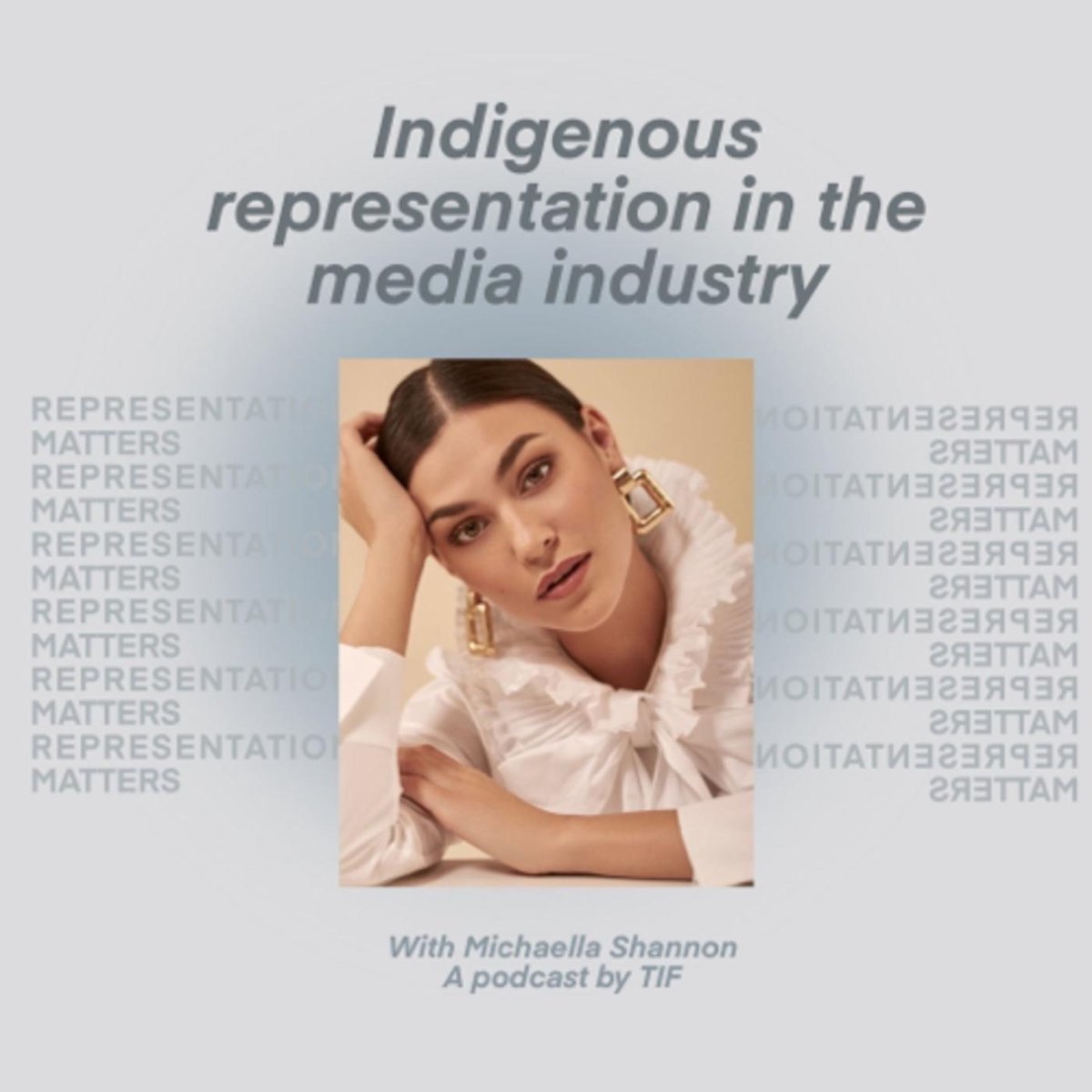
Imagine a cinematic landscape where Indigenous stories weren't just tokens, but vibrant, essential narratives, told by Indigenous voices and experienced through authentic lenses. This isn't a distant dream, but a reality being forged, significantly shaped by the enduring work of figures like Michelle Thrush, whose impact on Indigenous representation in media is nothing short of transformative. For over three decades, Thrush, a powerful Cree woman, has not merely acted in front of the camera; she has helped redefine the very fabric of how Indigenous peoples are seen, heard, and understood across screens big and small.
Her journey encapsulates the evolution of Indigenous storytelling in mainstream media, from challenging damaging stereotypes to championing nuanced, culturally rich portrayals. Understanding her contributions helps us appreciate the profound shift happening in media storytelling today, pushing for a future where authenticity is paramount and Indigenous voices lead the way.
At a Glance: Michelle Thrush's Transformative Impact
- Pioneer of Authentic Representation: Thrush has consistently chosen roles and projects that challenge one-dimensional stereotypes, bringing depth and humanity to Indigenous characters.
- Champion for Indigenous Voices: Beyond acting, she advocates for storytelling sovereignty, encouraging Indigenous creators to tell their own stories from their own perspectives.
- Catalyst for Industry Change: Her long career spans and influences a pivotal shift in Hollywood, pushing for more inclusive casting, crew, and narrative development.
- Embodiment of Resilience: Thrush’s work often deals with the emotional and sacred weight of Indigenous experiences, reflecting the resilience and strength of her communities.
- Inspiring Future Generations: Her visibility and commitment serve as a powerful beacon for emerging Indigenous artists and storytellers, proving that authentic Indigenous narratives have a vital place in global media.
From Tokenism to Truth: The Foundational Need for Authentic Indigenous Storytelling
For generations, Indigenous peoples in media were largely relegated to the sidelines, often depicted through harmful caricatures, romanticized myths, or as historical footnotes. These shallow portrayals not only misinformed audiences but also perpetuated stereotypes that undermined cultural identity and fueled prejudice. The lack of authentic Indigenous voices meant that narratives failed to reflect the true experiences, beliefs, and traditions of diverse communities, contributing to a sense of invisibility and cultural erasure.
Authentic Indigenous representation, however, is crucial for honoring cultural authenticity, challenging these entrenched stereotypes, and promoting cultural preservation. When Indigenous creators step forward to tell their own stories, they share perspectives that are inherently genuine, ensuring that narratives truly reflect the lived realities of their communities. This act of reclaiming identity and asserting cultural presence is immensely powerful. It empowers Indigenous voices, broadens understanding among non-Indigenous audiences, and fosters a deeper appreciation for Indigenous resilience, history, and vibrant contemporary cultures. Ultimately, it influences broader cultural conversations, compelling everyone to question existing stereotypes and biases.
Michelle Thrush: A Career Forged in Challenging Stereotypes
Michelle Thrush entered the entertainment industry at a time when opportunities for Indigenous actors were scarce and often confined to stereotypical roles. Yet, from her earliest roles, Thrush demonstrated an unwavering commitment to bringing dignity and complexity to every character she portrayed. With over 30 years of experience, her work offers a powerful testament to the impact one individual can have in shifting an entire industry's perception.
Her nuanced performances often cut through simplistic portrayals, forcing audiences to see beyond the stereotype and engage with the rich, multifaceted humanity of Indigenous characters. Whether portraying figures of strength, vulnerability, or wisdom, Thrush has consistently imbued her roles with an authenticity born from her own Cree heritage and deep understanding of Indigenous experiences. This commitment to truth-telling laid crucial groundwork, demonstrating that audiences crave and respond to genuine narratives, not caricatures.
The Sacred Weight of Indigenous Narratives: Beyond the Screen
One of the most profound aspects of Michelle Thrush's impact is her articulation of the "emotional impact and sacred nature of the material she deals with." This isn't just about acting; it’s about carrying the stories, histories, and sometimes the trauma of entire peoples. For Indigenous actors and creators, these narratives are often deeply personal, rooted in family histories, community experiences, and ancestral teachings.
This connection imbues the work with a gravity that goes far beyond a typical performance. When Thrush takes on a role that requires delving into historical injustices, cultural struggles, or the ongoing resilience of Indigenous communities, she is not merely reciting lines. She is engaging in a form of cultural stewardship, bringing these stories to life with reverence and responsibility. She has spoken openly about the personal coping mechanisms required to manage the profound effects of portraying such material, highlighting the deep emotional labor involved in truly authentic representation.
Consider the recent industry shift exemplified by a Predator prequel, filmed west of Calgary, which boasted a 95 percent Indigenous cast. Projects like this are not just about diverse casting; they represent a fundamental change in how stories are conceived and executed. For actors like Thrush, participating in such productions is a validating and often healing experience, where the cultural context is respected, and the collective experience is honored. It means being part of a creative process where the sacred nature of the stories is understood and protected, rather than exploited or diluted. You can delve deeper into Thrush's career to appreciate the breadth of her contributions.
Redefining Narrative Control: Indigenous Storytelling Sovereignty
Thrush's influence extends deeply into the realm of storytelling sovereignty—the right and ability of Indigenous peoples to tell their own stories, on their own terms, and through their own lenses. This concept is vital because it directly counters the historical trend of non-Indigenous creators defining and often distorting Indigenous narratives.
Supporting Indigenous-led media projects, such as the critically acclaimed series Reservation Dogs or the powerful film Rhymes for Young Ghouls, directly amplifies authentic experiences and reinforces this storytelling sovereignty. These projects, often guided by community-led storytelling principles, ensure that cultural representations are authentic, preventing misrepresentation and dilution.
Michelle Thrush has been a vocal proponent of this shift. She understands that true representation isn't just about who is on screen, but who is behind the camera, in the writers' room, and in the executive suites. By advocating for greater Indigenous involvement at every level of production, she helps create pathways for emerging talent and ensures that narratives carry the genuine weight and nuance of Indigenous perspectives. Her work encourages us to move beyond simply seeing Indigenous faces to truly hearing Indigenous voices.
The Power of Community-Led Storytelling
Community-led storytelling isn't just a buzzword; it's a critical framework for ensuring integrity in Indigenous media. It means:
- Consultation and Collaboration: Engaging directly with the specific Indigenous communities whose stories are being told.
- Cultural Protocols: Adhering to traditional customs, ethics, and intellectual property rights related to sacred stories or imagery.
- Empowerment: Providing opportunities for community members to participate in production, from advisory roles to creative positions.
- Authenticity Checks: Ensuring that details, language, ceremonies, and historical contexts are accurately and respectfully portrayed.
This model, which Thrush actively champions through her advocacy and choices, prevents cultural appropriation and fosters genuine partnerships, leading to richer, more truthful narratives.
Challenges and Triumphs: Navigating the Media Landscape
Despite significant progress, the path to authentic Indigenous representation is still fraught with challenges. Cultural appropriation remains a persistent threat, where elements of Indigenous culture are taken without permission, understanding, or attribution. Stereotype reinforcement, while less overt than in past decades, can still subtly creep into narratives that lack proper Indigenous oversight.
Mainstream media has historically overlooked authentic voices, leading to limited opportunities for Indigenous talent both in front of and behind the camera. Misrepresentation, even if unintentional, can occur when non-Indigenous creators attempt to tell Indigenous stories without the necessary cultural sensitivity or lived experience.
Yet, Indigenous storytelling has proven remarkably resilient and adaptable. From ancient oral traditions passed down through generations, it has evolved to embrace contemporary art forms and digital platforms. Artists and creators are ingeniously incorporating traditional symbols, languages, and stories into modern films, television series, visual arts, and digital content, ensuring the preservation of heritage while pushing artistic boundaries. Discover more about Michelle Thrush's inspiring journey and how she navigates these complexities.
Overcoming Obstacles: Thrush's Blueprint
Michelle Thrush's career serves as a powerful blueprint for navigating and overcoming these obstacles:
- Role Selection: Intentionally choosing roles that offer depth, dignity, and cultural relevance, often turning down those that perpetuate stereotypes.
- Advocacy: Using her platform to speak out against misrepresentation and advocate for greater Indigenous control over narratives.
- Mentorship: Inspiring and guiding younger Indigenous artists, helping them understand the industry and the importance of their unique voices.
- Collaboration: Actively seeking out projects that are Indigenous-led or committed to genuine consultation and collaboration with Indigenous communities.
Cultivating Community: How Thrush Champions Emerging Voices
A true leader doesn't just clear their own path; they illuminate the way for others. Michelle Thrush exemplifies this by actively cultivating community and championing emerging Indigenous artists and storytellers. Her presence in the industry, both as an actor and an advocate, provides invaluable visibility and validation for those just starting out.
Support for Indigenous artists, as Thrush often demonstrates, involves a multi-faceted approach. It means actively engaging with their communities, participating in events and workshops that foster new talent, and offering mentorship to those navigating the complexities of the media landscape. Sharing work on social media, attending performances, exhibitions, or screenings of Indigenous-led projects are all concrete ways to amplify these voices.
For Thrush, this is about more than just networking; it's about building a sustainable ecosystem for Indigenous storytelling. By using her experience to guide new generations, she ensures that the momentum for authentic representation continues to grow, fostering a vibrant future where Indigenous narratives are not just represented, but celebrated as integral to the global storytelling tapestry. You can find out more about Michelle Thrush's impactful work and advocacy efforts.
The Future of Representation: Michelle Thrush's Lasting Legacy
The landscape of media representation is undoubtedly shifting, and Michelle Thrush's three-decade-plus career stands as a powerful testament to the impact of dedicated advocacy and authentic artistry. What was once a rare glimpse of Indigenous faces on screen is slowly transforming into a rich tapestry of Indigenous-led narratives, supported by growing industry awareness and a demand from audiences for genuine stories.
Thrush's legacy will be defined not just by the memorable characters she has brought to life, but by her unwavering commitment to pushing the boundaries of what's possible for Indigenous representation. She has consistently demonstrated that authenticity is not just a moral imperative but a creative strength, enriching stories and deepening human connection.
Her journey illuminates a clear path forward: prioritizing Indigenous voices, fostering community-led storytelling, and continuing to challenge any form of cultural appropriation or misrepresentation. The goal isn't just inclusion; it's narrative sovereignty—the ability for Indigenous peoples to tell their own stories, in their own ways, for the benefit of all.
As we look ahead, the work of Michelle Thrush serves as a powerful reminder that true transformation in media comes from sustained effort, deep cultural understanding, and the courage to demand a more truthful and equitable portrayal of all peoples. The stage is set for an even more vibrant future, shaped by the seeds of authenticity and advocacy that artists like Thrush have so diligently sown. Explore more about Michelle Thrush and her monumental contributions to Indigenous media.
Taking Action: How You Can Support Authentic Indigenous Storytelling
Michelle Thrush's career shows us that individual commitment can drive monumental change. Now, how can you contribute to this vital movement and help sustain the incredible work of Indigenous artists and storytellers?
- Seek Out Indigenous-Led Content: Actively look for films, TV series, podcasts, books, and art created by Indigenous artists. Platforms like Indigenous Screen Office (ISO) in Canada or specific streaming collections often highlight these works.
- Support Indigenous Artists Directly: Purchase art, attend performances, or contribute to crowdfunding campaigns for Indigenous creators. Every bit of support helps them sustain their work.
- Engage with Community Initiatives: Look for local Indigenous cultural centers, events, or workshops. Participating can deepen your understanding and connect you with authentic voices.
- Amplify on Social Media: Share news about Indigenous-led projects, celebrate Indigenous artists, and engage in respectful conversations online. Your voice helps increase visibility.
- Educate Yourself and Others: Learn about the history, cultures, and contemporary issues facing Indigenous peoples. This knowledge helps you appreciate the nuances of their stories and challenge misinformation.
- Demand Authentic Representation: As consumers, let broadcasters, production companies, and streaming services know that you value and expect authentic, respectful, and diverse Indigenous representation.
- Advocate for Policy Changes: Support organizations and policies that promote Indigenous ownership, control, and access to media production resources.
By consciously choosing to engage with and support Indigenous creators, you become an active participant in fostering a media landscape that is truly representative, culturally rich, and endlessly compelling. The transformation Michelle Thrush began continues, and your role in it is more important than ever.